
Most fences give plenty of warning before they fail. Catching the signs early usually means a quicker, cheaper repair instead of replacing the whole run after the next storm.
Look for Movement and Leaning
A fence that moves when you push it, or leans more each season, usually has a problem at the posts or footings. Wind puts a lot of load on a solid fence, and a weak post will only get worse.
 Posts that rock or lean out of line
- Gaps opening between panels or palings
- Rust or corrosion at the base of steel posts
- Rot, cracking or termite damage in timber
- Gates that drag, sag or no longer latch
Decide Between Repair and Replacement
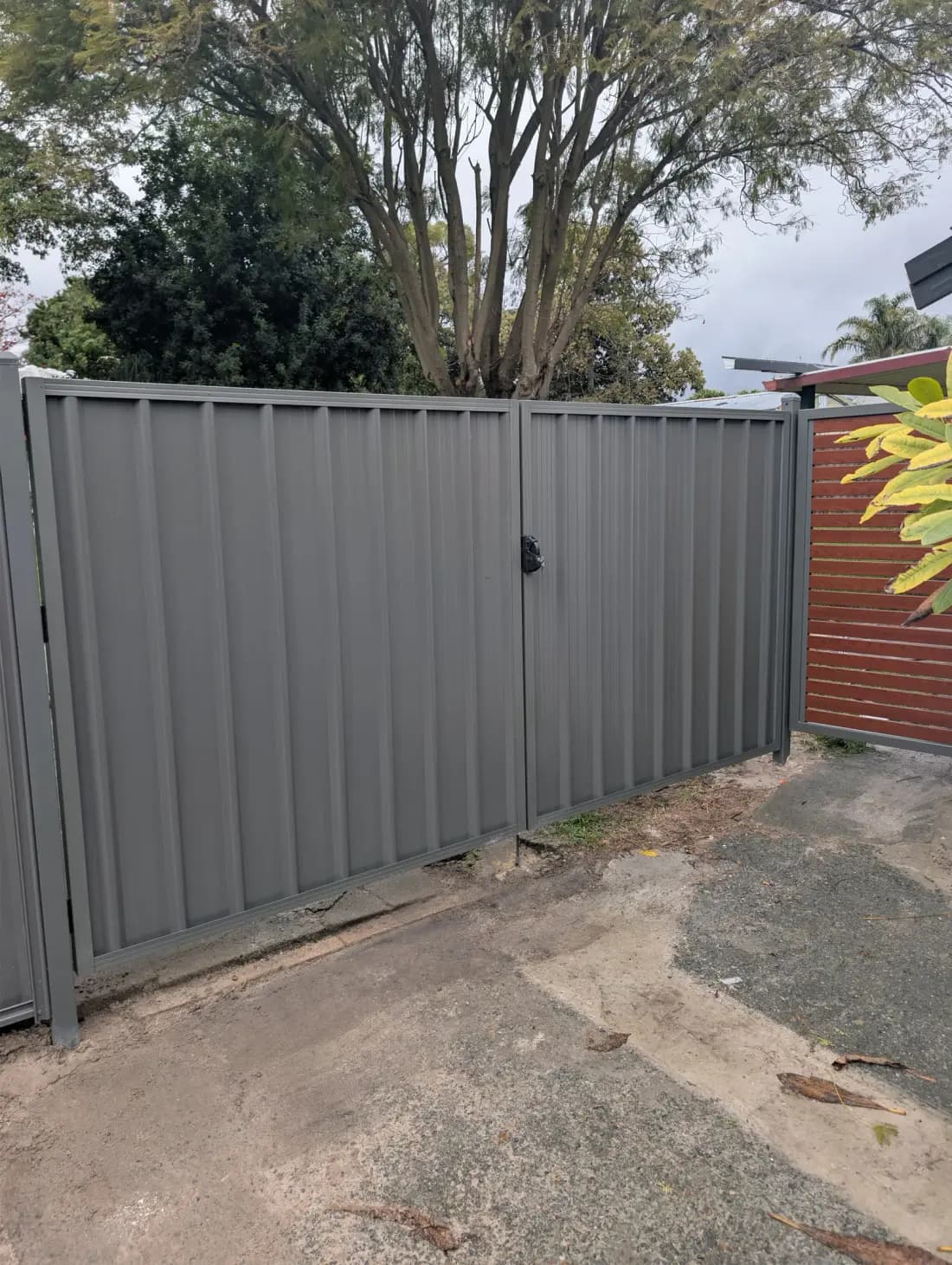
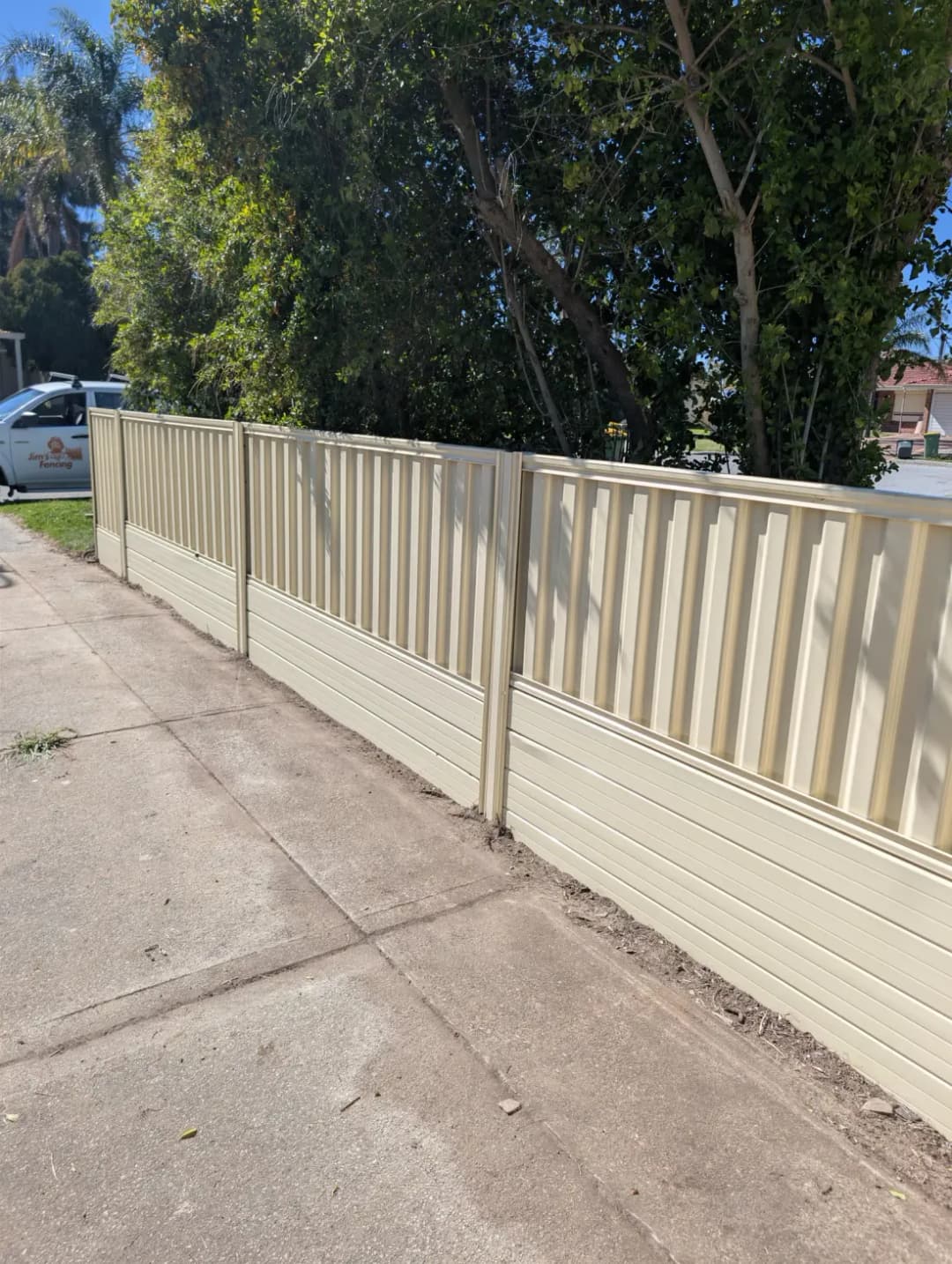
If the damage is limited to a few posts or panels, a repair is usually the sensible choice. Sheets and palings can be matched to the existing fence so the repair blends in.
If most posts are failing, the fence is very old, or you are planning other changes to the yard, replacement often gives better value.
Act Quickly After Storm Damage
Storm damage should be made safe straight away. Loose sheets can cause injury or damage to cars and neighbouring property, and a quick make-safe often prevents a bigger repair later.
Get an Honest Assessment
A good fencing team will tell you plainly whether a repair will last or whether replacement makes more sense, and explain the difference in cost before any work starts.