
Planning a fence can feel straightforward, but it needs clear decisions before the work begins. The right fence should suit your block, match your home and support the way you actually use your yard. Before choosing materials, gates or screening, it helps to think through your daily needs, project goals and long-term maintenance.
Start With What You Need the Fence to Do
Before thinking about colour or style, start with the purpose of the fence. A fence built to keep a dog in the yard needs a very different design from one built for privacy or street appeal. Think about what the fence has to achieve and which parts of the boundary matter most.
 Improve privacy from neighbours and the street
- Keep children and pets safely inside the yard
- Secure side access and bin areas
- Lift the look of the frontage
- Reduce maintenance compared with an old timber fence
Set a Clear Budget and Priority List
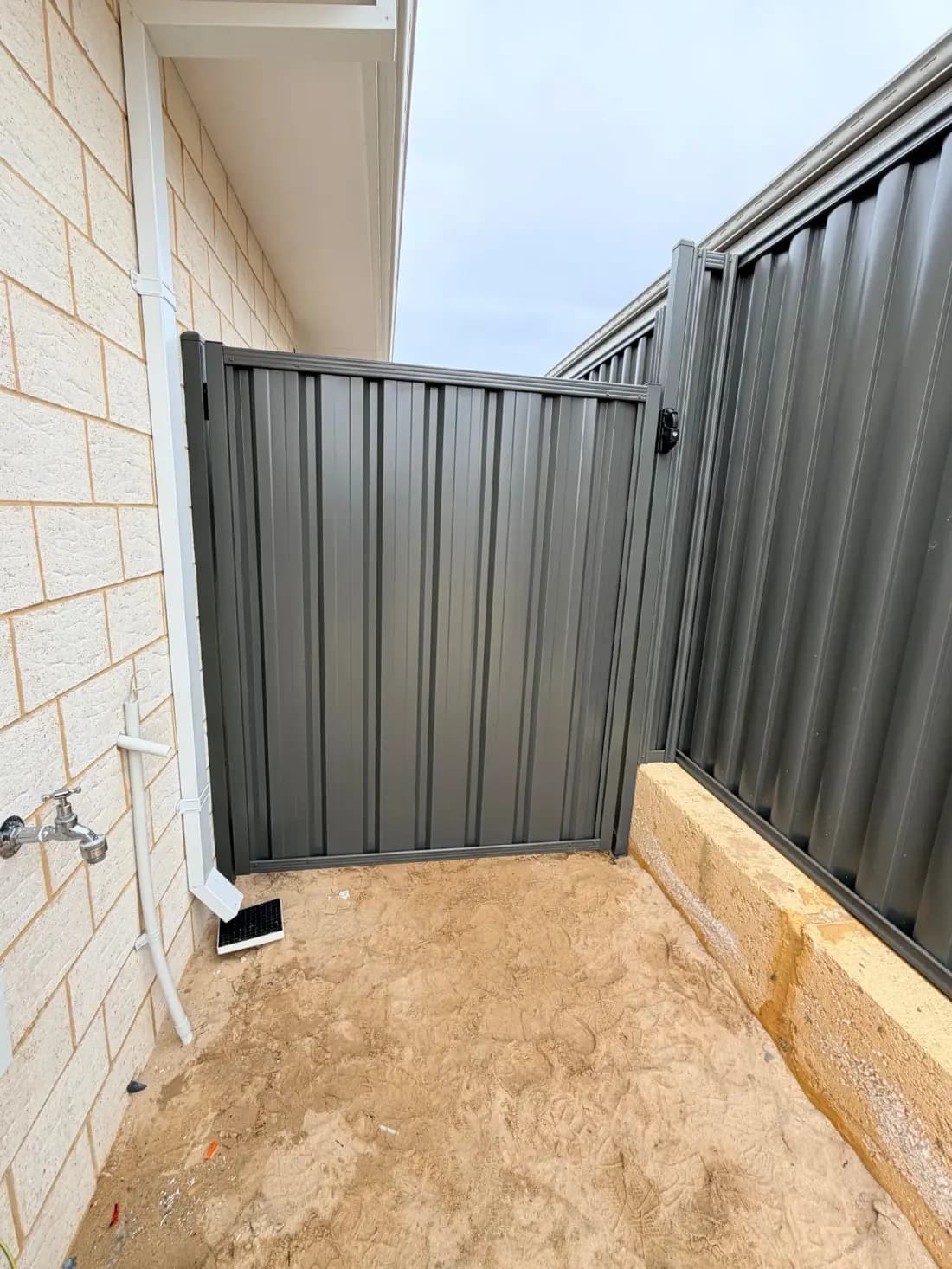
A fencing project can include many options, from standard Colorbond panels to slat tops, plinths, gates and automation. Setting a clear budget early helps you decide which features matter most and which ones can be added later.
Your priority list should focus on the parts that affect security, safety and long-term value. Solid posts, correct footings and a straight line should come before decorative extras.
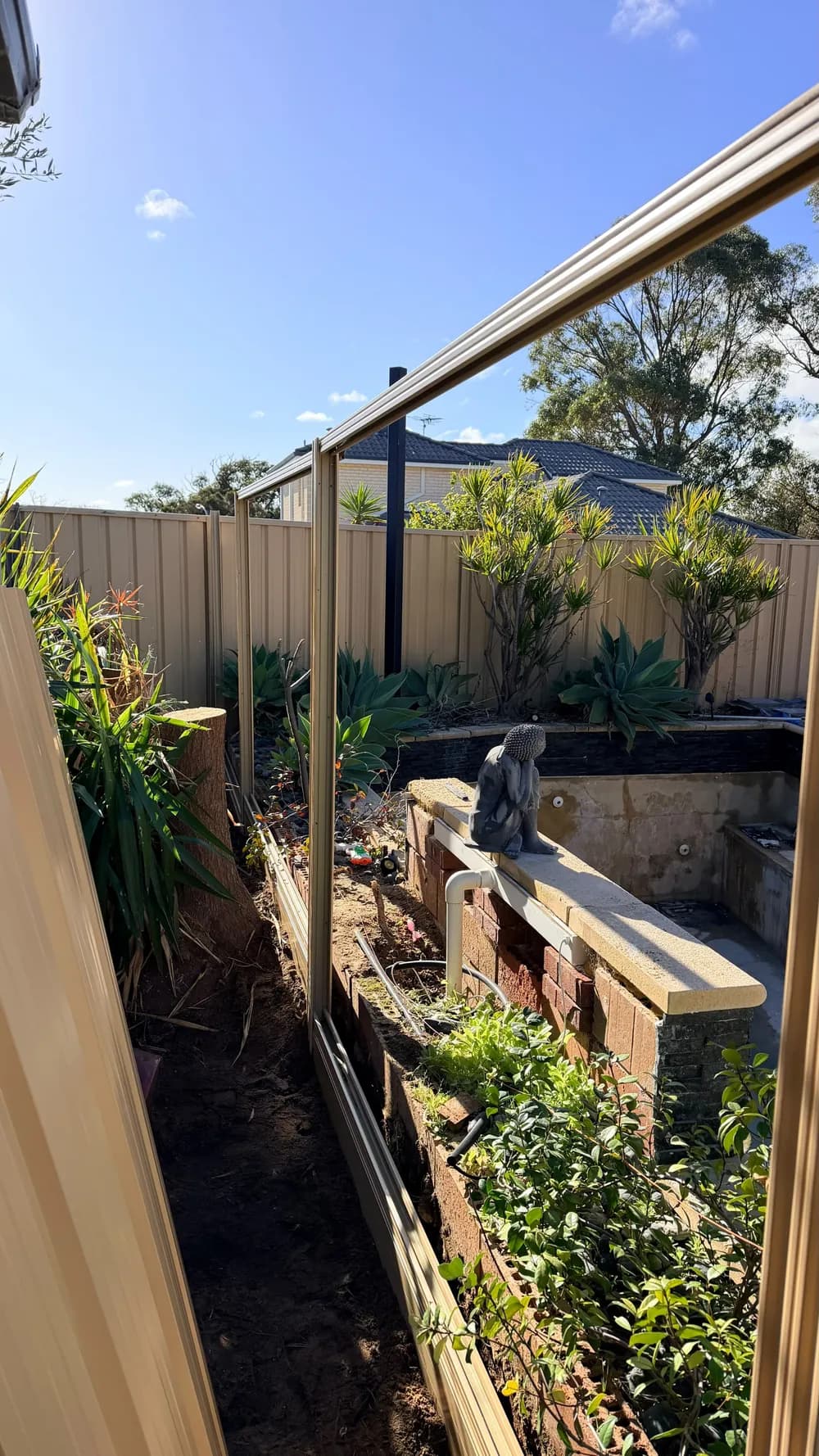
Choose Materials That Fit Daily Life
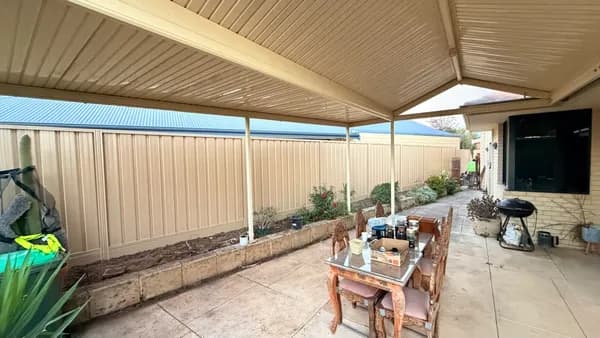
Fencing materials affect how the boundary looks, feels and performs over time. Timber offers a natural look, while Colorbond and aluminium are easier to maintain and hold up well in Perth's sun and wind. The best choice depends on your budget, style preference and how much upkeep you want.
Work With a Team That Communicates Clearly
A smooth fencing project depends on clear planning and honest communication. Before work starts, you should understand the scope, materials, timeline and next steps. A good fencing team will explain the process, answer your questions and help you make practical decisions for your property.